

From Budget 2026 and workforce confidence, to a real-life encounter with modern slavery in Wellington, this month's Hire Wire is all about people, opportunity, and the role employers can play in shaping both. We also meet Barrett Patel of Ebos and ask whether the trades-versus-degrees debate is missing the point entirely.
Budget 2026: Less Splash, More Signals
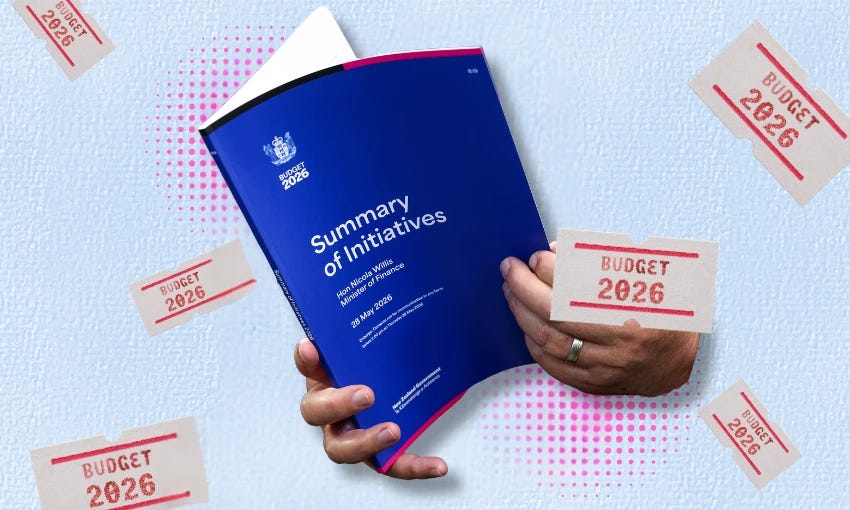
If you were waiting for a “lolly scramble” Budget this year… you probably noticed pretty quickly that wasn’t the plan.
Instead, today’s Budget felt more like the Government saying:
“We’re tightening the belt, trying to keep inflation under control, and hoping the economy slowly steadies itself without too much drama.”
For employers, especially in the trade, industrial, manufacturing, logistics and construction space, the interesting part isn’t necessarily what was announced.
It’s what the Budget tells us about where New Zealand is sitting right now.
The message was pretty clear:
government spending restraint is here for a while yet
public sector tightening will continue
infrastructure and productivity remain priorities
and businesses are still expected to do a lot of the heavy lifting in getting the economy moving again.
From our side of the desk at Key Skills, a few things stand out.
The labour market still feels “soft”… but not simple
Official unemployment is sitting around 5.3%, which sounds like there should suddenly be workers everywhere.
But on the ground? It’s more complicated than that.
We’re still seeing employers struggle to find:
reliable people
site-ready workers
experienced operators
strong supervisors
and candidates who genuinely want long-term commitment.
There are definitely more candidates in the market than there were two years ago — but there’s still a huge difference between available and employable tomorrow morning at 6:30am in the rain at Seaview.
That gap hasn’t disappeared.
Employers are getting more cautious
One thing we’ve noticed over the last few months is hesitation.
Not panic.
Not collapse.
Just… caution.
Projects are taking longer to approve.
Permanent hiring decisions are slowing down.
Businesses are trying to stay lean until they feel more certainty.
That usually creates two things:
more temporary staffing demand
much shorter planning horizons
We’re seeing clients increasingly want flexibility while they wait for confidence to return.
Honestly? That’s probably sensible right now.
Wage pressure hasn’t magically disappeared either
Even in a slower market, costs keep creeping.
Minimum wage changes, KiwiSaver increases, ACC levies, insurance, compliance requirements, and general operating costs all continue to push upward pressure onto businesses.
At the same time, workers are still dealing with real cost-of-living pressure themselves.
That creates an awkward balancing act:
employers need productivity and value
workers need enough income to survive
and neither side really feels flush right now.
The biggest challenge? Confidence.
A lot of businesses we speak to don’t necessarily need a miracle.
They just want stability.
They want:
clearer pipelines of work
confidence to invest in staff
confidence to train people
confidence that projects will actually proceed
and confidence that the rules won’t keep changing every few months.
Because when confidence drops, hiring slows first. Always.
The opportunity hidden inside this market
Here’s the interesting bit though.
Markets like this are usually where the strongest employers quietly pull ahead.
Why?
Because while everyone else freezes:
good employers improve systems
strengthen culture
retain their best people
sharpen productivity
and build relationships before the market heats back up again.
And when things turn, because they always do, those businesses are miles ahead of the ones that spent 18 months standing still.
At Key Skills, we’re still optimistic about Wellington and the wider NZ market long term.
But this is probably a year for:
smart hiring
careful forecasting
flexibility
and backing good people when you find them.
The businesses that navigate 2026 well won’t necessarily be the biggest.
They’ll be the most adaptable.
My Job, My Story.
Barrett Patel’s career journey has been shaped by resilience, adaptability, and a genuine passion for people. Although his original dream was to become a pilot, his path led him into transport and logistics, where he has built more than 20 years of experience across some of New Zealand’s leading freight and supply chain businesses. Now Head of Supply Chain at Ebos, Barrett is known for his hands-on leadership style, strong work ethic, and commitment to creating positive team culture.
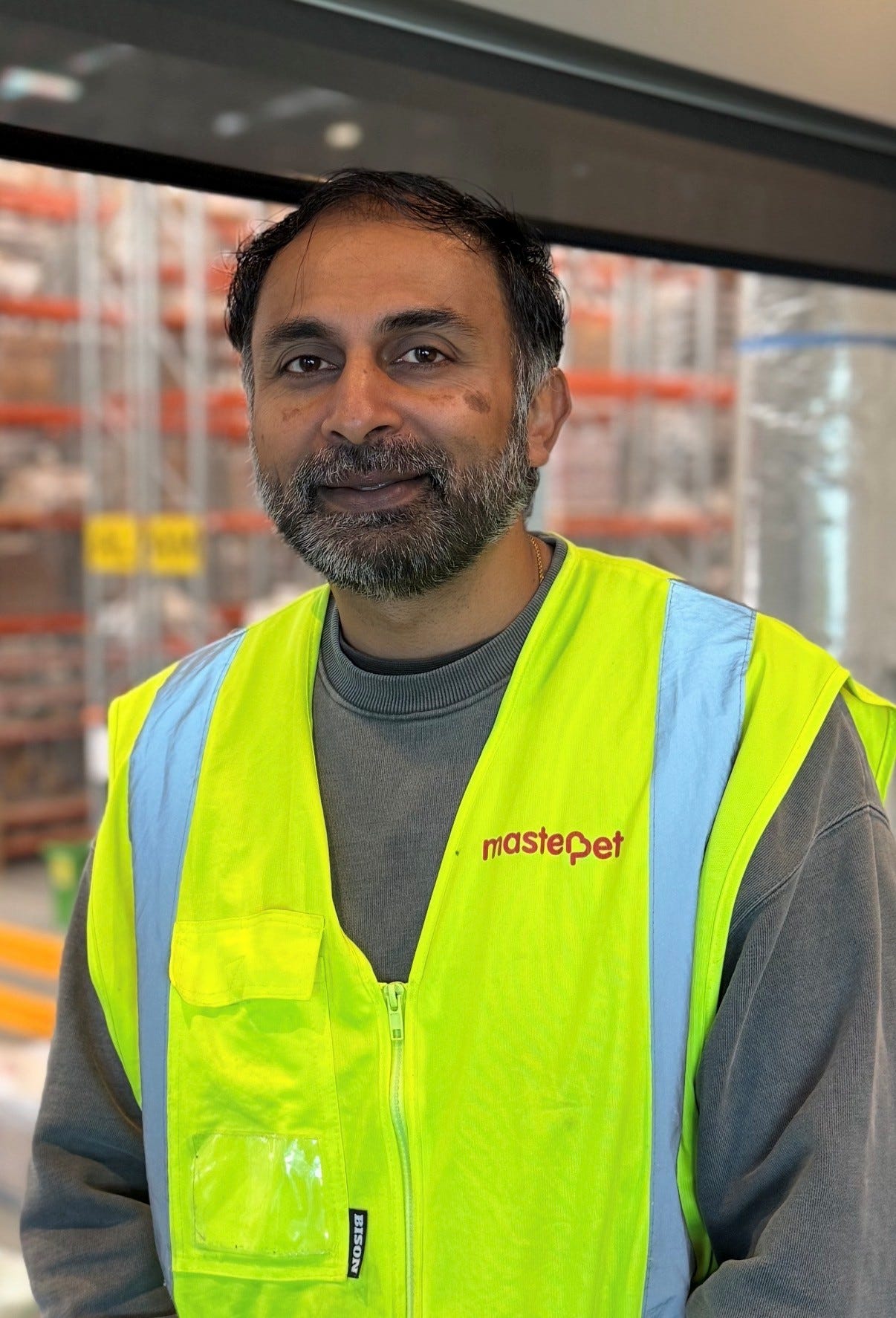
Barrett Patel
Head of Supply Chain at Ebos
When you were younger, did you know what you wanted to be?
Yes, I did. Ever since I was young, I loved aircraft. I’d spend hours at the airport watching planes, so part of my journey was wanting to get my pilot’s licence.
I eventually got my private pilot’s licence when i was 17 years old, I had been studying since I was 15. I wanted to continue on to commercial flying, but financially it just wasn’t possible at the time. My parents couldn’t afford it either.
After high school, I went to polytech and completed my NZC in Engineering, then moved into mechanical engineering. I received a scholarship to study aircraft engineering, so I came down to Wellington and studied at CIT in Heretaunga for two years.
For my final six months, I was based at Air New Zealand’s maintenance hangar at Wellington Airport. I spent that time learning the ropes in aircraft maintenance before operations were transferred to Auckland. I completed qualifications in both mechanical engineering and aeronautics.
I tried to get into Air New Zealand afterwards, but at the time it was very much about who you knew. Eventually, I saw a role at Ansett New Zealand on the freight side and thought, “This is my way in.” My goal was to get my foot in the door and hopefully move internally into engineering later.
I started in telesales for air freight, then moved into sales rep roles, account management, and regional sales. I ended up loving it. I was still involved in aviation, especially with Ansett’s quick-change aircraft that carried passengers during the day and freight overnight.
What were the key moments that brought you to your current career?
My manager at Ansett moved to Trans Rail and Trans Link and asked me to come over. That’s where I really got deep into freight and transport logistics.
I moved through sales, operations, account management, and regional sales roles. Trans Rail was a much larger operation with forestry contracts and major logistics work. Later, I moved into the distribution side with Trans Link, which focused on domestic freight.
From there, I stayed in transport and logistics for more than 20 years. It’s been a long journey, but I’ve really enjoyed it.
What advice would you give your younger self starting out?
You only get one chance in life. For me, money was the thing that stopped me from fully pursuing aviation, but I learned to stay flexible and open to new paths.
I moved into transport, freight, and logistics instead, and I realised that if I gave something 100% and genuinely enjoyed it, opportunities would come. The important thing is being willing to adapt and making the most of the opportunities you’re given.
What’s been one of the biggest learning moments in your career so far?
Probably learning to just be myself. People respect you for who you are and how you treat them.
I look at the people who work for me and remember that I was once in their position too. I want to give people opportunities, help them grow, and support them on their journey.
If I look at someone working in the warehouse, I see potential beyond that. Helping people develop has probably been one of the biggest lessons for me.
What’s one thing you wish more people knew about the industry you’re in?
Transport and logistics is a very tough, competitive industry. I spent many years with Trans Rail, Trans Link, Toll, Peter Baker Transport, and Foodstuffs, all within transport and logistics.
The one thing people don’t always realise is you can’t just treat it like an 8-to-5 job. If you really want to succeed, you need to put more into it and take pride in what you contribute.
What keeps you motivated when work gets challenging?
I always focus on the end goal and the people around me.
For example, next month our sales volumes are increasing by nearly 50%, so my challenge is making sure we can deliver.
I never give up. As long as I have the right resources and tools, I believe anything can be achieved. A lot of it comes down to self-belief and staying positive.
What’s the best piece of feedback you’ve received in your career?
One of the most meaningful pieces of feedback I’ve received has been around the way I work with and support people. That’s something I’ve always tried to prioritise.
I’ve been fortunate to work with a lot of great teams over the years, and it’s rewarding when people recognise the positive culture and improvements we’ve built together.
A big focus for me is understanding what motivates people and helping them grow where I can. Some people are happy staying in a role long term, while others want to develop further and I enjoy supporting both.
What’s a skill you’ve learned on the job that surprised you?
Patience.
At previous companies, I had a lot of autonomy and could get things done very quickly. Here, there’s more structure and more processes to work through.
At times it’s frustrating, but I’ve learned patience and the importance of communicating timelines to the team. Over the last 18 months we’ve introduced new warehouse equipment, machinery, and improvements, and now people are finally seeing those changes happen.
What’s something currently inspiring you at work or in life?
Definitely the people here and the culture we’ve built together. One thing that’s always stayed with me was a temporary team member who told me he’d never felt so welcomed in a workplace before, simply because people took the time to greet him by name, check in on how he was doing, and include him in team events and recognition.
For me, that’s important. I’ve always believed that when people feel valued and respected, they do their best work.
We recently ran an internal values awards programme where staff nominated each other based on our company values. Seeing the number of nominations and the positive comments people wrote about one another was incredibly rewarding. It reinforced the importance of creating an environment where people genuinely support and appreciate each other.
What do you do to unwind after a busy week?
Spending time with my wife and family, catching up with friends, following motorsport, and helping with hockey.
I assistant coach my daughter’s hockey team and help out around the club as well. I also enjoy gardening and visiting my parents in Auckland.
Last question, if you could swap jobs with anyone for a day, who would it be?
I’d still love to fly planes and be a pilot. Aviation has always been my passion.
I even have a flight simulator at home, it’s my way of switching off and enjoying a bit of zone-out time.
A big thanks to Barrett for taking the time to talk me.
Beccy
We thought we were helping him find work. We didn’t realise we were helping him escape.
When people hear the term “modern slavery”, they often picture something happening somewhere else.
A factory overseas. Human trafficking. Organised crime.
What they don’t picture is a young man working in a warehouse in Lower Hutt.
But that’s exactly where one of the most memorable experiences in Key Skills’ history began.
With the Government currently considering new legislation aimed at tackling modern slavery and worker exploitation, we’ve found ourselves reflecting on an experience from more than a decade ago that changed the way we think about our role as an employer and recruitment agency.
At the time, we had a young man working for one of our clients. He was reliable, hardworking, and largely kept to himself. Nothing about his work performance suggested there was a problem.
Then one day he asked for help.
He told one of our consultants that despite working full-time, he was receiving only a small allowance. Most of his wages were going to relatives he was living with. At home, he was expected to do all the cooking, cleaning, and household chores. He felt trapped, isolated, and embarrassed by his situation.
Most importantly, he didn’t know what to do.
Nobody at work knew what was happening behind closed doors.
Like many vulnerable workers, he had simply kept going and hoped things would improve.
When the situation was brought to our attention, we sat down with him and worked through a plan to help him leave the environment safely.
The first challenge was obtaining his passport, which was being held by family members.
We still remember driving to the house, unsure what sort of reception we would receive. We knew that if we were going to help him regain control of his life, securing his passport was a critical first step.
Thankfully, after explaining we required it for immigration purposes, it was handed over without resistance.
From there, things moved quickly.
We helped arrange flights for him to relocate to supportive family members in Auckland. We ensured he received the wages and annual leave he had earned before his next pay cycle, reducing the risk of those funds continuing to be controlled by others.
Shortly after he left Wellington, we received an angry phone call from the family, followed by an unannounced visit to our office. We listened, explained our responsibilities as an employer, and made it clear that our priority was the wellbeing of the worker.
The matter went no further.
Looking back, this experience reinforced something we still believe strongly today.
Recruitment is about much more than filling jobs.
Good employers and good recruiters are often in a unique position to notice when something isn’t right.
We spend time with people. We visit workplaces. We build relationships. We have conversations that sometimes go beyond work.
That matters.
The proposed Modern Slavery Bill is focused on improving transparency, accountability, and worker protection. While much of the discussion centres around reporting obligations and supply chains, our experience is that worker welfare often comes down to something much simpler.
Trust.
Trust that allows a worker to speak up.
Trust that encourages someone to ask for help.
Trust that gives employers and recruiters an opportunity to step in when something doesn’t feel right.
Since that experience, our commitment to regular site visits has only strengthened.
The value of a site visit isn’t just checking attendance, discussing productivity, or delivering PPE.
It’s creating opportunities for conversations that might never happen otherwise.
Because exploitation doesn’t always look the way people expect.
Sometimes it’s quiet.
Sometimes it’s hidden.
And sometimes all it takes to change someone’s future is one person taking the time to ask:
“Are you okay?”
In this case, one conversation changed the course of a young man’s life.
That’s something we’ll never forget.
Modern Slavery bill, what we think happens next
Realistically, we expect many employers to place greater emphasis on:
supplier transparency
workforce documentation
ethical employment practices
audit readiness
retention and worker engagement
choosing staffing partners carefully
That doesn’t mean panic or overreaction.
If anything, it’s another reminder that good business fundamentals matter.
The agencies and employers who communicate well, document properly, treat people fairly, and maintain strong workplace relationships are likely to be in a strong position regardless of how the final legislation lands.
And honestly, that’s probably how it should be.
Trades or degrees? Maybe we’ve been asking the wrong question

A recent RNZ article explored the long-running debate around trades versus university degrees, and whether one path leads to higher earnings than the other. The reality, like most things in life, is far less black and white.
From where we sit, the more interesting question is this:
What kind of work actually suits the person in front of you?
New Zealand has traditionally pushed young people toward university as the “successful” path, but we’re seeing a noticeable shift in attitude. More people are recognising that practical industries can offer strong incomes, long-term career growth, leadership opportunities, and genuinely rewarding work.
Across Wellington, we work alongside site managers, operations leaders, manufacturing supervisors, civil operators, and engineering specialists who started straight out of school. Many began on the tools, learned on the job, and built careers through consistency, attitude, and experience over time.
Importantly, those careers often evolve far beyond the trade itself.
One thing employers seem to agree on right now is that reliability, communication, and attitude matter just as much as formal qualifications. Most businesses aren’t sitting around debating degrees versus trades — they’re looking for good people who turn up, learn quickly, solve problems, and contribute positively to a team.
That’s particularly true across infrastructure, manufacturing, logistics, engineering, and construction, where New Zealand continues to face ongoing skills shortages and demand for practical capability remains strong.
We also think there’s far too much pressure placed on young people to make a “perfect” career decision at 17 or 18. Careers today are rarely linear. Plenty of people move between industries, study later in life, step into leadership unexpectedly, or discover strengths they never knew they had once they’re actually in the workforce.
Starting in a trade doesn’t close doors. Getting a degree doesn’t guarantee success.
What matters most is getting started somewhere, building skills, learning how workplaces function, and developing a reputation people trust.
From our perspective, New Zealand needs both.
We need apprentices and graduates. Practical thinkers and academic ones. The people designing projects, and the people physically building them.
And honestly, some of the strongest careers we see every day are built steadily, quietly, and practically from the ground up.