

Hello from Ailsa and Beccy
Welcome to another edition of Hire Wire. This month we’re celebrating some genuinely positive signs for Wellington’s employment market, from rising building consents to 40 of our temporary workers securing permanent jobs. We’re also proud to share the story behind our latest “My Job, My Story” feature with Bond Store founder Bec Kay, whose journey proves that careers rarely follow a straight line. We hope you enjoy the read and, as always, thank you for being part of the Key Skills community.
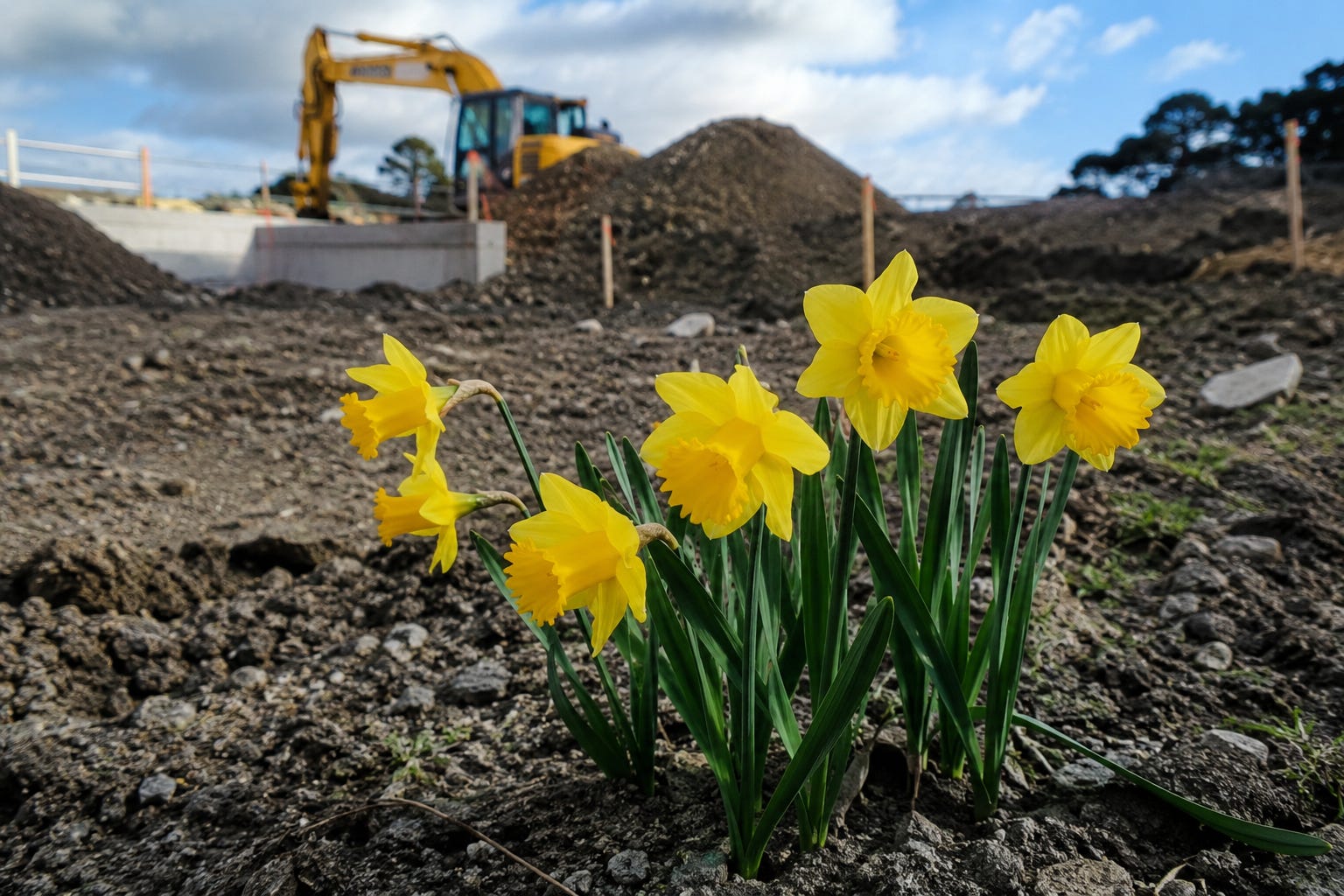
Green Shoots for Construction? Why Rising Building Consents Matter
After a challenging couple of years for New Zealand’s construction sector, there’s finally some encouraging news.
According to the latest figures from Stats NZ, 39,737 new homes were consented in the year ending May 2026 a 19% increase on the previous year. It’s the first annual increase after three consecutive years of declining consent numbers. Stand-alone homes were up 17%, while multi-unit developments, including townhouses and apartments, increased by 20%. Although we’re still below the record levels seen in 2022, the trend is moving in the right direction.
So, what does that mean for employers and job seekers?
A building consent isn’t a guarantee that construction starts tomorrow. Projects still need funding, contractors, materials and favourable market conditions before the first shovel hits the ground. But consents are one of the best early indicators we have of future construction activity. In simple terms, today’s consents often become tomorrow’s jobs.
As activity builds, demand is likely to increase across many of the roles we recruit for every day, including civil workers, machine operators, Class 4 and 5 drivers, carpenters, welders, engineers, site administrators and traffic management professionals.
For employers, now is the time to think ahead. History shows that when projects begin ramping up, competition for skilled people can increase quickly. Businesses that start workforce planning early are usually in a much stronger position than those who wait until vacancies become urgent.
For job seekers, this is an encouraging sign. While no one has a crystal ball, an improving consent pipeline suggests that opportunities in construction and infrastructure could continue to grow over the coming months.
At Key Skills, we’re already seeing more conversations centred on future workforce planning rather than simply filling immediate gaps. Confidence appears to be returning, and while there are still challenges ahead, it’s refreshing to have some genuinely positive news for our industry.
After a tough period, perhaps these rising consent numbers are the first signs that the construction sector is beginning to build momentum once again.
A Night Celebrating the Women Building Our Future
Mid July I had the privilege of attending the NAWIC Excellence Awards. I was also honoured to be invited to judge one of the award categories—something I don’t take lightly. The calibre of the finalists was exceptional, and while I won’t mention the category I judged, I can honestly say it was inspiring to see the passion, innovation and leadership on display.
I’ve worked in the construction and infrastructure recruitment industry for 23 years, and one of the biggest changes I’ve witnessed over that time has been the growing number of women building successful careers across every part of the sector.
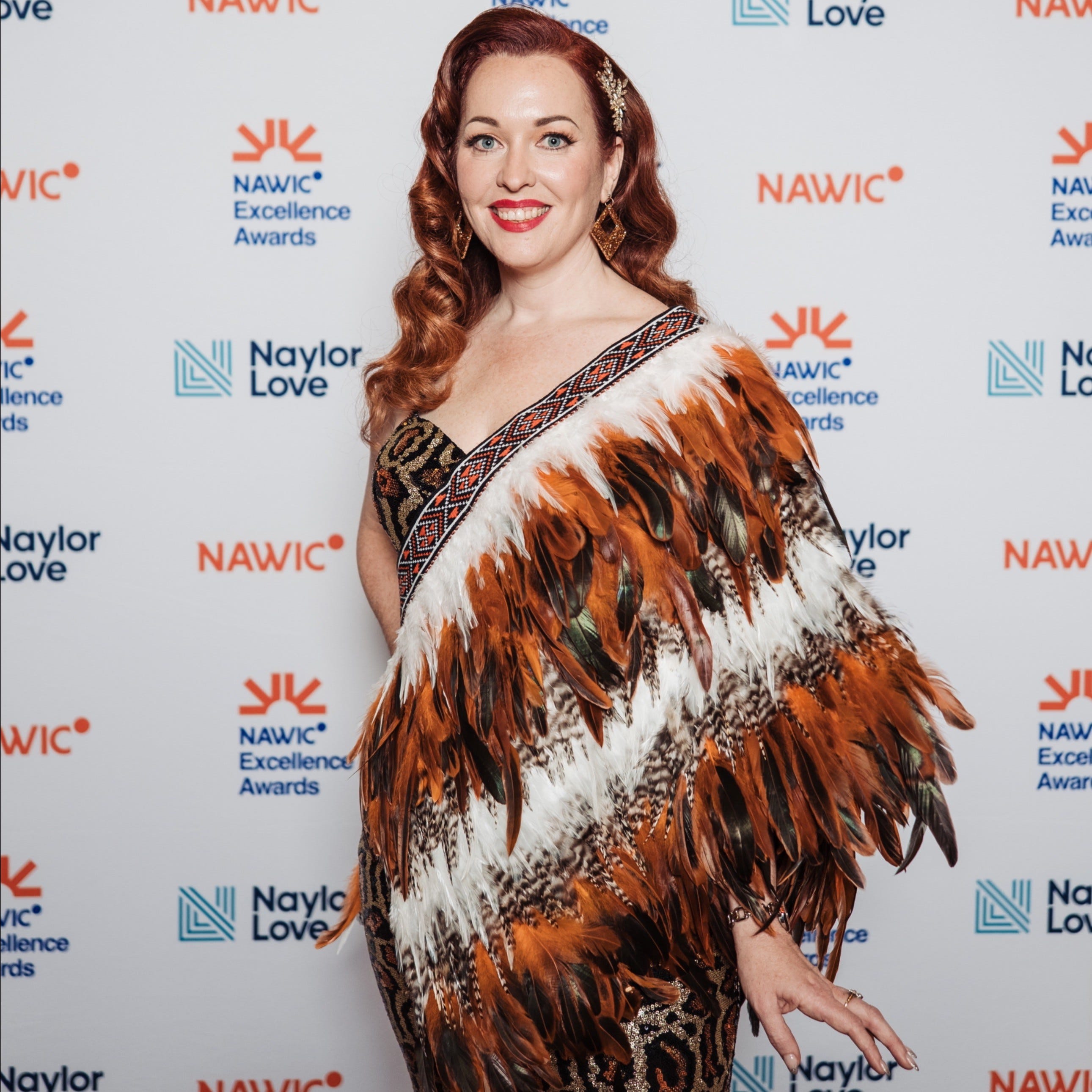
“This year’s winners and finalists represent the strength, talent, and ambition driving our sector forward. Their achievements are not only shaping the future of construction but also inspiring the next generation to see what is possible.” – Kirsty Hopewell, NAWIC President
When people talk about skills shortages, I’ve often joked that perhaps the industry simply needed to look at the other 50% of the population!
Of course, it’s not quite that simple, but there is a serious point behind the comment. Construction has traditionally been a male-dominated industry, and for many years there simply weren’t enough women being encouraged to see it as a career option. Thankfully, that’s changing.
Today we’re seeing more women leading projects, running businesses, managing sites, operating heavy machinery, working as engineers, quantity surveyors, apprentices and tradespeople. More importantly, they’re not there to “fill quotas”—they’re there because they’re exceptionally good at what they do.
One of the highlights of the evening was celebrating the achievements of some truly outstanding wāhine. Congratulations to Kristy Jones from Cook Brothers Construction and Ella Wilson from Allied Concrete, whose recognition on the night was thoroughly deserved. Amazing work, ladies. If you haven’t already, check out what they’re doing.
The NAWIC Awards weren’t just about celebrating individual achievements. They were a reminder of how much our industry has evolved. Construction is stronger when it attracts the best people, regardless of gender, and the diversity of talent entering the sector today is making our workplaces, businesses and projects better for it.
To everyone who was nominated, shortlisted and recognised—congratulations. Thank you for continuing to challenge perceptions, raise standards and inspire the next generation.
Here’s to seeing even more women choosing construction as a career, and even more employers recognising the enormous value they bring to our industry, Ailsa Atkins.
Forty-eight Reasons to Be Optimistic
Something we think is worth talking about is the number of temporary employees who have gone permanent this year.
Since 1 January 2026, 48 of our temporary workers have been offered permanent positions by the companies they were assigned to.
What does that tell us?
When an employer asks us to find a temporary employee, our goal is to get it right the first time. We’re not just looking for someone with the right skills. We’re looking for someone with the right attitude, work ethic and someone who will genuinely fit the team.
What’s particularly interesting is that many of these employers chose to pay an early conversion fee to secure their employee, even though they could have waited just a few more weeks and employed them at no cost.
To us, that says something.
It tells us employers are recognising great people when they see them and are prepared to invest in them sooner rather than later.
Despite the economic challenges, particularly here in Wellington, employers still have the confidence to back good people. In previous downturns, temporary assignments often continued for months as businesses delayed permanent hiring decisions. There were generally more people looking for work, giving employers plenty of choice and the negotiating power.
This time feels different.
Employers are making decisions sooner. They’re backing people they believe in and saying, “You’re worth investing in.”
We’re often asked why our Temp-to-Perm Conversion Programme is more generous than many others in the labour hire industry. The answer is simple: we believe temporary work should be a stepping stone, not a destination. While temporary assignments are the perfect solution for many people, we also know that for others, they provide an opportunity to prove themselves, build confidence and secure a permanent career. We never want our commercial model to become a barrier to that next step.
There’s nothing more rewarding for our team than receiving a call from a client saying, “We’d like to offer them a permanent job.” It means we’ve achieved exactly what we set out to do—matching the right person with the right employer.
Forty permanent placements in just seven months is more than a statistic. It’s 40 people taking the next step in their careers, 40 employers investing in great talent, and 40 reasons to feel optimistic about the future of Wellington’s employment market.
My Job, My Story
Bec Kay
Founder & Owner of The Bond Store since 2017
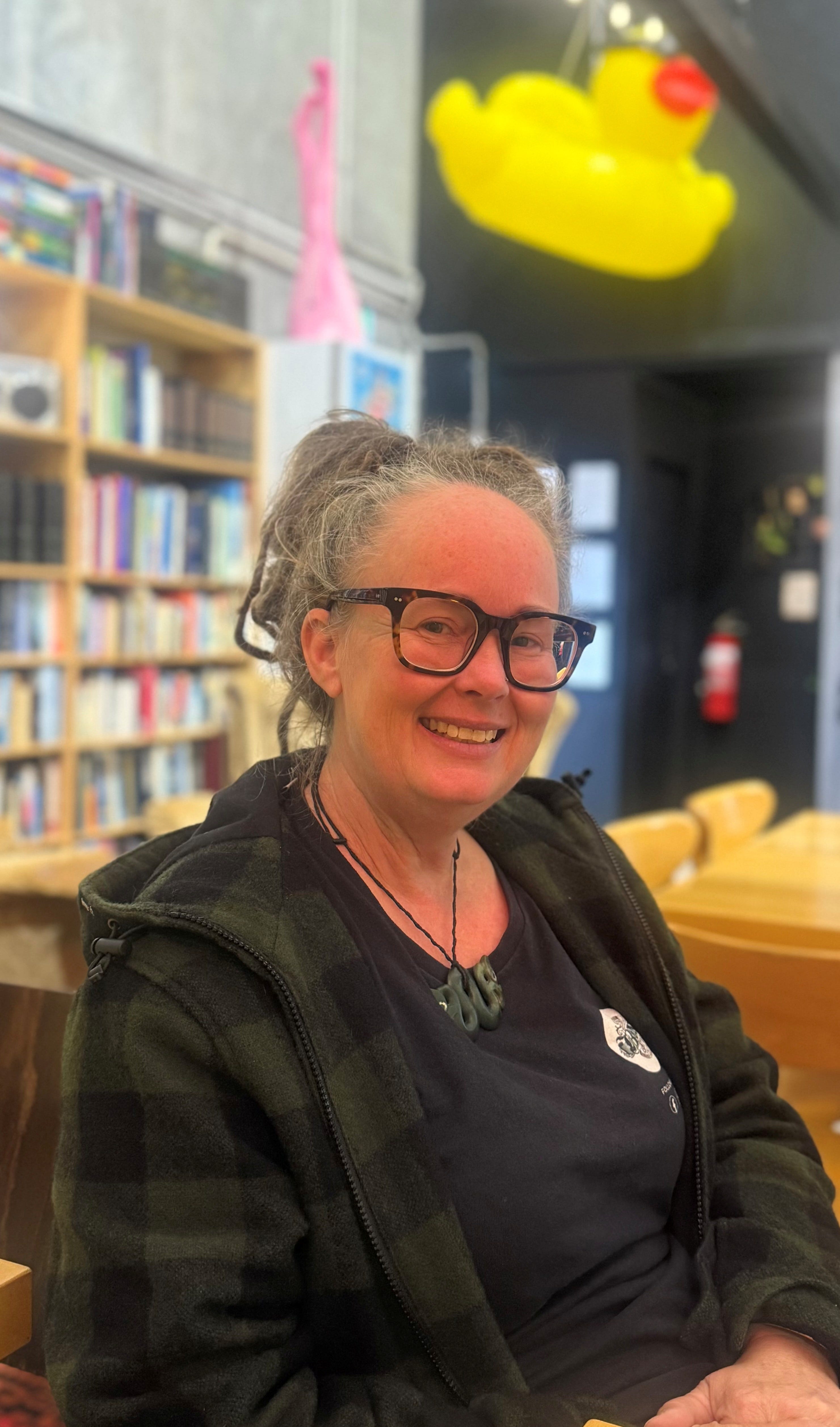
Did you know what you wanted to do when you were younger?
No, not at all. When I left school in seventh form, I had absolutely no idea what I wanted to do. My dream was to buy a house truck and travel around New Zealand. I’d received an ACC payout after injuring my knee doing gymnastics, and I’d saved enough money to buy one.
But I’m the oldest child, and I was the first in the family who had the opportunity to go to university, so there was a bit of pressure to do that. The problem was, I had no idea what I wanted to study. I didn’t really want to go to university, but I ended up going to Teachers Training College. I used all my ACC money, my house truck money, to get a teaching degree that I’ve never, ever used. I didn’t even register as a teacher. I think it was three years, maybe four. Either way, it was the end of my house truck dream.
After that, I decided to head overseas. I’d already bought a ticket to the UK, and around that time I met Chris in a pub here in New Zealand. We’d only been together for about two months when I told him, “Just so you know, I’m leaving for the UK on this date.” He said, “Can I come with you?” I said, “Sure.” He said, “I don’t have any money.” So we moved to Sydney first and lived in a garage in Western Sydney for about nine months while we saved enough money for him to qualify to get into the UK. I was travelling on a grandparent visa, so I didn’t need much money, but he needed around £2,000.
We then spent about two or three years in the UK. We bought a car in Liverpool for £600 and travelled around, working wherever we could. I worked in bars and in nursing homes, which I’d also done as a teenager after school, making cups of tea and helping out in retirement villages.
Our travel plan was pretty simple. We’d drive until we ran out of petrol, and if we didn’t have enough money to fill the tank, that town became home until we’d earned enough to move on. Accommodation was too expensive, so we lived in a little two person tent. This was in the early 2000s.
After the UK, we went back to Sydney to save enough money for a deposit on a house before returning to New Zealand.
It was one freezing winter’s morning in the middle of Scotland, after waking up in that tent feeling like I was just about hypothermic, that I finally realised what I wanted to do. I turned to Chris and said, “I know what I want to be. I want to be a nurse.” That’s when we started planning our journey home so I could begin my nursing training.
Was there a key moment in your life that kick started your career?
Probably a midlife crisis!
I absolutely loved nursing. I quickly became the Charge Nurse of the trauma and orthopaedic operating theatres, which was an amazing role. I also did a lot of crisis skills management in the simulation centre, so I really enjoyed that side of things.
We’d also owned businesses before. At one stage we owned the Mount Cook Café, and when we came back from overseas while I was studying, Chris started a backpacker bus company that travelled people around New Zealand. We’d seen the concept in South Africa and thought it would work really well here.
Unfortunately, Chris was involved in a major head on crash on a bridge and nearly lost both of his legs. The business collapsed because the insurance didn’t cover everything, he couldn’t work, and it was just one thing after another. It was one of those situations where everything that could go wrong did go wrong.
A few years later, before Transmission Gully was built, I’d spend three or four hours sitting in Friday traffic trying to get home to the Kapiti Coast. Chris would send me photos of him and our daughter Rose building sandcastles at the beach while I was stuck in traffic, and I remember thinking, “There has to be a better way.”
At the time, Chris was working for a big Corporate, travelling around restructuring businesses they’d bought. It was a tough job, and he was even getting death threats at one point. We started talking about whether we should try running our own business again.
It took me a long time to agree because I was still scarred from losing so much money the first time around. We almost lost our house, but we also learnt a lot. We were young, inexperienced and probably a bit naïve. Sometimes that’s the best business school you can have.
By then, Chris had completed his Master’s in Business, and we decided that whatever we did next had to be in Kapiti so we could spend more time with our family and keep our daughter at school locally.
We didn’t actually know what business we were looking for. Then we heard a rumour that a small limoncello business in McGrath Avenue might be for sale. It had originally started at Sopranos Restaurant, and a local couple had bought it from the original owners. We approached them and asked if they’d ever considered selling. They invited us to look through the books, and within about two weeks we were the proud owners of a limoncello business.
The funny thing was, we didn’t even know what limoncello was. We’d never even tried it.
We quickly realised that while limoncello is everywhere in Europe, it wasn’t exactly flying off the shelves in New Zealand. It was seen as a bit of a “Nana’s drink”, and we thought we’d probably bought the wrong business.
So we did our homework. We spent months sitting outside bottle stores watching what people bought, talking to bottle shop owners and researching the market. At the time there were only about eight distilleries in New Zealand, and gin was just starting to make a comeback.
We decided we’d have to make gin and vodka instead. Our goal was to produce great quality New Zealand spirits that people could actually afford, rather than paying ninety dollars a bottle. We even joked that if we were going to compete with anyone, we might as well compete with Gordon’s, the biggest gin brand in the world.
When we came back from overseas, we’d bought a small house on five acres because we couldn’t afford Wellington prices. We’d spent years planting native trees, including lots of Kawakawa, so we decided our very first gin would feature Kawakawa.
It turned out to be much harder to make than we expected, but today it’s still our most popular gin.
What’s a great piece of advice that you received from someone?
One piece of advice has really stuck with me. When we first started the distillery, I used to get quite anxious every time a new distillery opened. I’d look at what they were doing, the media attention they were getting, and wonder if we were falling behind.
One of our shareholders who is also a mentor said to me, “Don’t even look at your competition. Just concentrate on what you’re doing and make your product the best it can be.”
I’ve carried that advice with me ever since. Over the years, many of the businesses I worried about have disappeared, and I realised they were never the problem. Competitors are often just a distraction. If you stay focused on your own business, keep improving what you do and look after your customers, everything else tends to take care of itself.
What’s one thing you wish more people knew about your industry?
I think what surprised me most was just how hard people work in hospitality. We never planned to get back into it. We’d owned a café before and had sworn we’d never do hospitality again. But when we moved into this bigger building, we realised it was the perfect opportunity to offer distillery tours. The catch was that, under New Zealand’s liquor licensing rules, if you want to run distillery tours, you also have to provide food. That’s how we ended up back in hospitality.
Our business is a bit unique because we have both hospitality and production under the one roof. I don’t think people realise just how heavily regulated the industry is. The rules around alcohol are incredibly strict, and the excise tax alone is enormous. It’s a challenging industry, but it’s one we’ve grown to love.
What’s something that’s currently inspiring you at work or in life?
At work, I’m really excited about our US export deal. We’ve been working towards it for a long time, so finally getting the green light is a huge milestone. I just want to get those first pallets on the boat and then head over to Connecticut and say, “Hi, I’m Becs, I made this gin.” I’d love people to hear the story and taste it from me, rather than through a sales rep. That’s what really keeps me motivated at the moment.
On a personal level, my daughter is a huge inspiration. I know that sounds a bit cheesy, but she’s 17 and she’s absolutely incredible. She’s at an Air Cadets camp at the moment, although we jokingly call it “Nerd Camp”. Next week she’s putting herself forward to speak to teenagers who are interested in joining the Air Force, standing up in front of a room full of people and sharing her experiences. She’s also Deputy Head Girl at school and is always organising things, whether it’s information evenings for parents or taking on new leadership opportunities.
Chris and I often look at each other and wonder where she gets it from. Sometimes we joke that maybe the hospital gave us the wrong baby! But in all seriousness, watching her confidence, drive and willingness to put herself out there is incredibly inspiring.
Do you have any daily rituals or habits that help you succeed at work?
When I can, I like to walk to work along the beach. I’ve been a little lazy lately because it’s been so cold, but that’s definitely my happy place. I don’t listen to music or podcasts anymore. I leave my phone in my pocket, switched off unless it’s an emergency, and just enjoy the walk.
I love taking in the sounds of the beach and noticing all the little things around me. You’ll see dogs running around, the occasional seal, and all sorts of things you’d normally miss if you were distracted. It’s a really good way to clear my head before the day starts.
What do you think is the most important quality to succeed in your industry?
I think you’ve just got to hustle. The moment you decide you’re not going to put the effort in today, you’re already falling behind. Success doesn’t just happen, you have to keep showing up and keep moving forward. Because if you don’t, what else are you going to do?
What do you do to unwind after work?
When we get the chance, we head over to what we jokingly call our “country house” in the Wairarapa. It’s not really a country house, it’s just a place in the country. We spend our time mowing the lawns on the ride on mower, planting trees, doing a bit of weeding and generally making the place look nice.
Then we sit back with a really good margarita, catch up with friends, and just relax. There’s no phone reception, or internet which is actually one of the best parts. It gives us a chance to properly switch off and enjoy the peace and quiet.
Thank you to Bec for taking the time to talk to me.
Beccy