

Hello from Ailsa and Beccy
In this edition, we look at the workforce pressures that often emerge when major projects ramp up, introduce our new community partnership with Kai Ika, and sit down with Stratmore General Manager Stephanie Fry to hear the story behind her remarkable career journey. From workforce planning to giving back locally, this month’s Hire Wire is all about building stronger futures together.
The Infrastructure Pipeline Is Warming Up – Are We Ready?
As major projects move closer to delivery, competition for skilled workers is likely to increase. The time to plan your workforce is before everyone else starts hiring.
Over the past 18 months many employers have been operating cautiously. Projects have been delayed, investment decisions have been slow, and some businesses have chosen to sit tight rather than expand.
That may be starting to change.
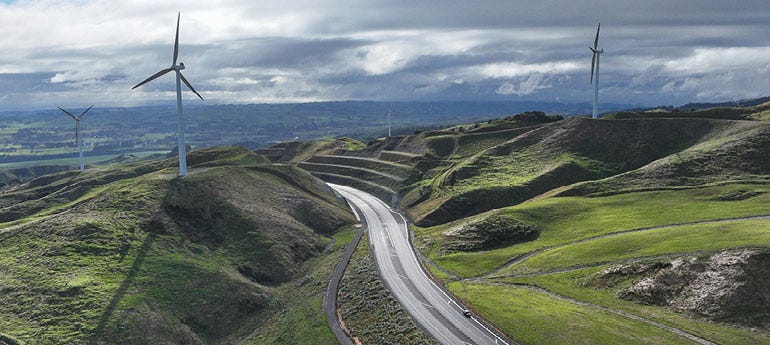
Across New Zealand, central and local government continue to signal significant investment in infrastructure. Whether it’s transport, water, housing, energy or resilience projects, the message from industry is becoming increasingly consistent: when work starts flowing, finding the right people could quickly become the biggest challenge.
The recruitment market often lags behind project announcements. By the time a project breaks ground, employers are suddenly competing for the same pool of skilled workers. Those who plan early tend to secure the best talent, while those who wait often face higher costs and fewer options.
Where We Expect Demand
Based on conversations with clients and industry partners, we expect continued demand for:
Civil construction workers
Class 4 and 5 drivers
Machine operators
STMS and traffic management staff
Qualified carpenters
Welders and fabricators
Mechanical trades
Engineering support staff
Site administrators and project coordinators
Many of these occupations are already experiencing shortages in some regions.
The Hidden Risk
When projects ramp up, the biggest challenge isn’t always finding people.
It’s finding the right people.
Technical skills can often be trained. Reliability, attitude, communication and a commitment to safety are much harder to teach.
We’ve seen time and again that the businesses that succeed during busy periods are the ones that build talent pipelines before they urgently need them.
What Employers Can Do Now
Rather than waiting for labour shortages to emerge, consider:
✓ Reviewing upcoming workforce requirements
✓ Identifying critical roles that would be difficult to replace
✓ Building relationships with recruitment partners early
✓ Considering apprenticeships and trainee pathways
✓ Looking at succession planning within key teams
✓ Strengthening retention strategies for your current workforce
Looking Ahead
Nobody has a crystal ball, but history shows that once major infrastructure spending gains momentum, skilled workers become increasingly difficult to secure.
The organisations that prepare early are usually the ones best positioned to take advantage of new opportunities.
At Key Skills, we’re already seeing increased conversations around future workforce planning. While demand hasn’t fully returned to previous peaks, many employers are beginning to look beyond today’s workload and plan for what comes next.
The question may not be whether demand will increase, but whether your workforce will be ready when it does.
Backing Local: Why Key Skills is Partnering with Kai Ika
At Key Skills Recruitment, we’ve always believed that successful businesses have a responsibility to contribute to the communities that support them.
As a locally owned and operated business, Wellington has backed us for nearly 20 years. Along the way we’ve been fortunate enough to work with thousands of local people and hundreds of local businesses. As we’ve grown, we’ve increasingly asked ourselves a simple question:
How can we use that success to make a meaningful difference in our community?
Earlier this year, we decided that rather than making that decision ourselves, we’d ask the people around us.
Through our growing Facebook community, we invited suggestions on local organisations, causes and initiatives that people felt were making a genuine difference and deserved greater support.
There were many fantastic organisations mentioned, but one name kept appearing again and again:
Kai Ika.
The more we looked into the organisation, the more we understood why.
What is Kai Ika?
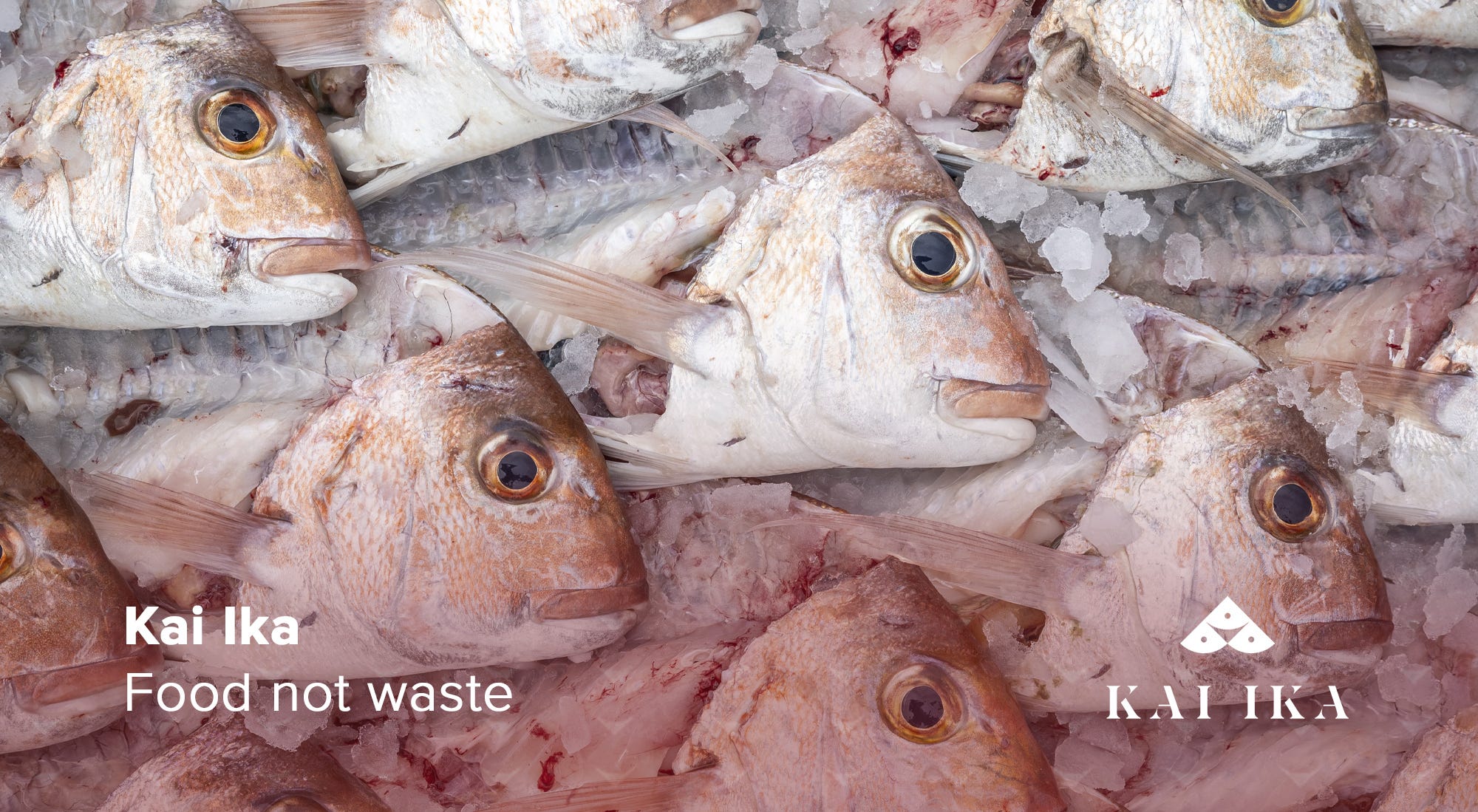
Kai Ika is a remarkable initiative that rescues fish heads, frames and other nutritious parts of fish that might otherwise go to waste and redistributes them to whānau and community groups.
While many people are familiar with fish fillets, a significant portion of every fish is often discarded despite containing valuable nutrition and being highly prized in many cultures.
Kai Ika’s philosophy is simple but powerful: if a fish has been caught, it should be respected and used as fully as possible.
By recovering and redistributing these resources, Kai Ika is reducing waste, supporting food security, strengthening communities and helping reconnect people with traditional food knowledge.
It’s a practical solution to a real problem, and that’s something we can get behind.
Why It Matters
Food insecurity continues to affect many households throughout New Zealand.
At the same time, large quantities of edible food are unnecessarily wasted every year.
Kai Ika addresses both challenges at once.
Their work helps:
• Reduce food waste
• Provide nutritious food to families and communities
• Promote environmental sustainability
• Honour cultural traditions and knowledge
• Strengthen community connections
We were particularly drawn to the fact that Kai Ika doesn’t simply talk about making a difference. They are making a difference every day through practical action.
A Natural Alignment
When we recently met with the Kai Ika team, it quickly became clear that we shared many of the same values.
At Key Skills, one of the phrases we often use is:
Buy Local. Hire Local. Back Local.
For us, that isn’t just a slogan. It’s a philosophy.
We believe strong communities are built when local people support local businesses, local businesses support local organisations, and everyone plays a part in creating opportunities for others.
Kai Ika embodies that same thinking.
Their approach is community-driven, practical, collaborative and focused on creating long-term impact rather than short-term fixes.
The partnership felt like a natural fit.
More Than a Donation
While Key Skills has committed financial support to Kai Ika, we see this partnership as being about much more than writing a cheque.
We want to help raise awareness of the incredible work being done.
We want to introduce more people to the organisation.
We want to help connect Kai Ika with businesses and individuals who share their vision.
And most importantly, we want to help grow the impact they can have throughout Wellington and beyond.
In many ways, this partnership belongs as much to our community as it does to us. Without the recommendations and encouragement of the people who follow, support and engage with Key Skills, we may never have discovered the incredible work Kai Ika is doing.
For that, we’re grateful.
How You Can Help
If you’d like to learn more about Kai Ika, volunteer your time, support their kaupapa or make a donation, we encourage you to visit their website and see the impact for yourself.
Every contribution, large or small, helps turn potential waste into valuable nutrition for families and communities.
To find out more or make a donation, visit:
We’re excited to be part of the journey and look forward to sharing more about Kai Ika and the difference they’re making in our communities over the months ahead.
Because when local organisations work together, great things happen.
My Job, My Story.
Stephanie Fry, General Manager of Stratmore, has built a diverse and successful career driven by curiosity, strong people skills, and a passion for business. Starting in administrative and executive support roles within major corporate organisations, she steadily expanded her responsibilities before moving into recruitment, entrepreneurship, and eventually co-founding successful coffee and sustainability-focused businesses, including Celcius Coffee and IdealCup. In 2023, she joined her family’s 72-year-old manufacturing business, Stratmore, and became General Manager in 2025. Throughout her journey, Stephanie has embraced new opportunities, trusted her instincts, and learned the value of empathy, resilience, and strong business processes. She is motivated by helping people succeed, giving back to her family, and championing greater opportunities for women in manufacturing and construction.
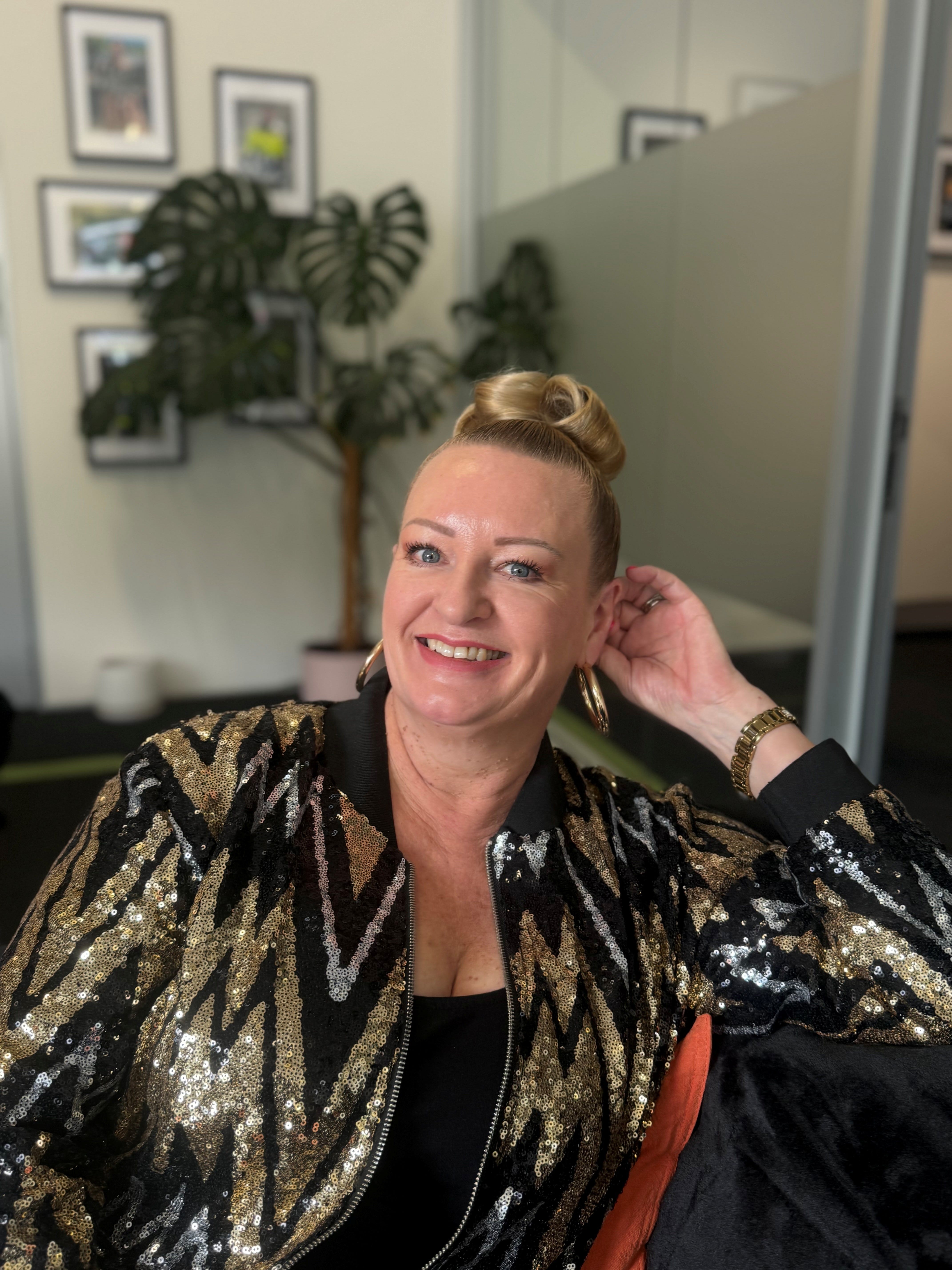
Stephanie Fry
General Manager of Stratmore
When you were younger, did you know what you wanted to do?
I thought I wanted to be a vet, like so many young children do. But then I realized that being a vet would involve doing things with animals that I found quite scary. Not because I would be hurting them, but because I would have to be involved in procedures that could be difficult, even if they were for the animals’ benefit. So that idea did not last very long.
What I did know was that as soon as I left school and went to polytechnic, I wanted to get into the corporate world. I did not want to go to university, complete a degree, or pursue academia. I was excited by the idea of working in a corporate environment, wearing corporate outfits, and building a career in the business world.
What do you think were the key moments that brought you to your current career?
I think I have been fortunate in that I am naturally gregarious and quite extroverted, so I have always found it easy to engage with people. I do not really care who they are or what level they are at within an organization. I do not treat people differently, whether that is because of culture or hierarchy. I think that has been beneficial because it has given me the ability to connect with all sorts of people in a wide range of situations.
I have also always wanted to know more and be more involved. For example, I may have been employed as a personal assistant, but I wanted to be involved with the senior management team. I wanted to understand more, do more, and learn more about business. What I have come to realise is that I genuinely love the business of business.
The other side of it is that people often say one of my core strengths is my ability to read and understand people. I have a strong sense of empathy and an emotional understanding of others, but I do not allow that to cloud my judgment. I think that balance has been an important factor in shaping my career and helping me get to where I am today.
Tell me about your career journey
My career journey started at Datacom, where I worked as a receptionist administrator. I remember feeling like I owned the place. I was 19, full of confidence, and although I was not arrogant, I definitely thought I knew a lot more than I did. I loved it. It was fun, exciting, and it gave me my first real taste of the corporate world.
I stayed with Datacom for around four years and worked my way through several roles. I started in reception and administration, then became a PA, then an EA to the general manager. After a merger, I became EA to one of the senior executives from New Zealand Post. That first job gave me a strong foundation and exposed me to different parts of business.
After that, I stayed in corporate environments for a while, including working at National Mutual in similar roles, supporting senior management. At some point, I realised I needed a change. I wanted to do something more creative, so I went to work at The Cotton Store, an interior design shop. I was there for two years, and while it was fun, the pay was not great and it was not challenging me enough.
From there, I went to Drake in Lower Hutt and started as a temp. After a while, I became part of their exclusive team, and about six months later, my consultant asked if I would like to work for Drake as a consultant. I was excited but also apprehensive because I had seen the inside of the business and understood the challenges. But I also knew it was the opportunity I had been striving for and yearning for, so I jumped in.
My first assignment was managing the Upper Hutt data processing team, and that was a massive learning curve. It definitely took me down a peg or two. I was still myself, still wearing the outfits, the perfect hair, the makeup, and the jewellery, but I became much more aware of how perception can affect the way people relate to you. I did not change who I was, and I would never encourage anyone to change who they are, but I learned the importance of reading the room and being relatable. That was when those little lessons really started to land for me.
I stayed with Drake for a number of years, and then through Drake I went back into the corporate world. I started at Unisys on a temporary contract covering maternity leave, doing desktop publishing. That temporary role turned into a five year stint. Again, I started temping, moved into another area, then became a PA and later an EA.
Around 1998 or 1999, Nick and I decided we were tired of the corporate world. He had been in the fire service for more than 20 years by then, and we started seriously looking at what kind of business we could build together. We ended up buying a coffee business. It was a small sole trader operation, buying coffee from a roaster in Palmerston North and selling it under its own brand. We saw the advert and thought, yes, we can do that.
If I knew then what I know now, maybe different decisions would have been made, but we went all in. Twenty two years later, we still have that coffee business, Celcius, and we are now in the process of selling it.
During that time, we also started Ideal Cup. That began around 2006, although it did not really go to market until around 2008 after all the development and research. By about 2012, it really started to fly. It was the first reusable coffee cup in New Zealand, designed and made in Lower Hutt.
That was a phenomenal journey. We had a sustainable coffee business and were the first to do fair trade and organic coffee, which helped open up a whole new way of thinking in the coffee industry. The reusable cup came out of our desire to be more sustainable. That was Nick’s baby. He developed it, designed it, and drove it.
Then 2020 hit, and hospitality was decimated. Our coffee business was affected, and so was the reuse movement. We fought for a few years to try to bring it back, but the behaviours and momentum around reuse in New Zealand have never fully bounced back. The energy we had before 2020 was just cut off.
In 2023, I joined the family business, which my grandfather started 72 years ago. It came about through some conversations, and I joined on the periphery at first. Then in January 2025, after the previous GM retired the month before, I officially became General Manager. Now, here I am, 18 months on and a little bit more.
Honestly, it feels like everything has led me here. I truly believe that the journey is the destination. Every decision, every opportunity, and every experience along the way has brought me to this point. I now get to give back to my mum and dad, who are 86 and 84, for everything they have given me in my life. I get to thank them by giving them comfort and confidence that everything is being taken care of, so they can sit back, relax, and enjoy their lives.
I am so grateful. I wake up every day with gratitude for that. For me, the lesson is to grab every opportunity, because you never know where it might lead or what doors it might open.
What advice would you give to your younger self starting out?
I honestly do not think I would change anything. I am a firm believer in having no regrets. We cannot go back and change the past, and every experience, good or bad, has shaped who we are.
Of course, there are decisions along the way that, with hindsight, you might question. But those experiences are part of learning and growth. Even the difficult moments are valuable. Life cannot be all rainbows and roses. The challenging times teach us just as much, if not more, than the good ones.
If I could offer my younger self any advice, it would be to take every opportunity that comes your way, or at least take the time to properly assess it. Give opportunities the consideration they deserve before making a quick decision, because you never know where they might lead.
I would also say to trust your gut. The times I have not trusted my instincts are often the times when I should have. There is so much opportunity out there, and sometimes your intuition knows the right path before your head does.
What’s been one of the biggest learning moments in your career?
There have been so many learning moments throughout my career.
One of the biggest lessons I have learned is how I respond when things do not go the way I expect. Earlier in my career, if I felt someone had wronged me, I was much more inclined to react defensively or go on the attack.
A recent example involved a staff member who had been working with us as a temp for several months. He only had two weeks left in his assignment when he suddenly stopped coming to work. He simply disappeared, and we have never heard from him since. In the past, I probably would have reacted very differently. This time, though, I took a step back and thought, he is 26 years old, he has his whole life ahead of him, and he is making decisions, whether they are right or wrong.
What I have learned over time is the importance of perspective. Rather than immediately focusing on frustration or disappointment, I try to remember that people are on their own journeys and will make their own choices.
More broadly, I always try to view situations as opportunities or roadblocks to navigate, rather than focusing on the negative aspects. That shift in mindset has probably been one of the most valuable lessons of my career.
What keeps you motivated when work gets challenging?
The first thing that keeps me motivated is the people I work with. They are a huge source of motivation for me because I cannot bear seeing someone who is unhappy, whether that is in their personal life, their work life, or where the two overlap. When I know there is happiness and fulfilment to be found, and I see someone struggling, pushing back, or becoming a thorn in the side, I see it as a challenge. I think, no, I am going to show you there is a better way. For me, the challenge is helping people see that they can be happy. It comes from a genuine desire to see them succeed and thrive.
The other thing that keeps me motivated is my family and what I am doing for them. My mum and dad are a big part of that motivation.
More recently, my granddad has become a source of inspiration as well. I did not know him very well because he passed away when I was quite young, but over the last few months I have learned much more about him through stories, letters he wrote, and a journal he kept when he was a young man with my nana and their young family. They were living on a farm in the Wairarapa, and reading his journal has been incredibly powerful.
My dad often says to me, “You are so much like Dad. He would be so proud of you.” My granddad was a businessman, and while he may not have deliberately set out on that path, it came naturally to him. Hearing those stories and learning more about who he was has given me an even greater sense of purpose.
So, when work gets challenging, I stay motivated by the people around me and by the opportunity to give back to my family, including honouring the legacy of my granddad and everything that came before me.
What’s a skill that you’ve learned on the job that surprised you?
One skill I have learned on the job that has genuinely surprised me is the importance of administration. I have always hated admin, but I am now learning to embrace it because it is just as important as all the other aspects of running a business.
That has really been reinforced for me at Stratmore. There are a lot of processes, standard operating procedures, and requirements around health and safety. I had not come from an environment where those things were such a significant focus, so I have had to learn and understand a lot.
More importantly, I have had to get on board and lead by example. To be fair, the business is very good at it, which is not surprising given it has been operating successfully for 72 years. But there have definitely been moments where I have thought, “Yes, yes, I know,” and then someone has pointed out another process or requirement and I have had to stop and say, “Actually, yes, you are right.”
It has taught me that the details matter. Good administration, strong processes, and doing things properly are not obstacles to getting work done. They are a critical part of building a successful and sustainable business.
What’s one thing you wish people knew more about your industry?
I do not think it is so much about the industry itself. We are part of the construction sector, manufacturing products for construction, but for me it is probably more specifically about Stratmore.
We have been manufacturing in the Hutt Valley for 72 years. While there are certainly a lot of people who know who we are, there are many more who do not. In many ways, we have been one of those unsung businesses quietly doing great work for decades.
I think that says a lot about my dad. He is a very humble person who simply wanted to make brilliant products. He has always been incredibly passionate about what he does, and it was never about telling the world about it. It was about doing the work well.
That is something I have really embraced since joining the business. I have been focused on getting out there, building awareness, using my networks, and making sure people know who we are and what we do. Of course, we want to grow the business and increase awareness, but there is another aspect that is equally important to me.
As a woman in this sector, I have been amazed by what I have discovered since joining the business in 2023. The more involved I become, the more incredible wāhine I meet across the industry. There is such a strong community of women, and there is so much growth and opportunity available.
I want to be part of that. I want to help create connections and ensure that more women know this sector is absolutely an option for them. Construction and manufacturing are not industries that exist just for the boys. There are incredible opportunities here, and I think more people, especially women, should know that.
What do you do to unwind after a busy week?
I love a glass of wine, or three. One of my favourite things is getting home, changing into something comfortable, and settling in for the weekend. Quite often, I will not leave our property for two days, and that is entirely by choice.
I enjoy pottering around. Whether it is doing the washing, cleaning, or tackling little jobs around the house, I find it relaxing. It is about having that sense of sanctuary and enjoying my own space.
I also love reading and fashion. I probably spend far too much money on pre loved clothing and handbags, but I enjoy finding unique pieces and giving them a second life.
Most importantly, I love spending time with my family and friends. Those connections are incredibly important to me. I also love travelling, although we have not done as much of that since before Covid. This year, we are looking forward to taking a few mini breaks around New Zealand and exploring more of our own backyard.
If you could swap jobs with anyone for a day, who would it be?
On a personal level, I would probably swap jobs with my girlfriend, who is a wardrobe stylist. That is something I have always wanted to do, and I think it would be such a fun and creative role to experience for a day.
In a professional capacity, I would choose someone big, scary, and audacious like Julia Rothman, who I met last year at the manufacturing expo. She is literally a rocket scientist, lives in Lower Hutt, and is the GM of KiwiStar Optics. She has worked with the US government and has the most incredible brain.
I find her really fascinating. I would love to experience, even just for a day, what it is like to have that level of understanding and insight into such complex and extraordinary work.
Thank you to Steph for taking the time to chat with me.
Beccy