

Hello from Ailsa and Beccy
This month’s Hire Wire looks at what’s happening across industry right now, from fuel uncertainty and shifting workforce pressures through to the growing value of reliability, adaptability, and local capability. We also continue our My Job, My Story series with Site Manager Dion Williams, sharing the kind of real-world career journey young people rarely get to hear about. As always, we’re focused on the practical side of work in Wellington: the challenges, the opportunities, and the people quietly building strong careers and businesses across our region.

Fuel uncertainty — what it means (and what it doesn’t)
Fuel has quietly moved back onto the risk radar.
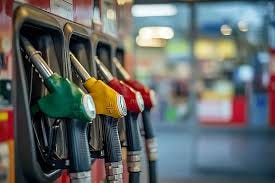
Shipping disruptions, tightening global supply, and fragile logistics routes are starting to show up in headlines again. For a country at the far end of the supply chain like New Zealand, that naturally creates a bit of background noise across construction, manufacturing, transport, and logistics.
No one likes uncertainty.
But uncertainty doesn’t automatically mean slowdown. In many cases, it changes how work happens rather than whether it happens.
From what we’re seeing locally, activity across infrastructure, engineering support work, and manufacturing still has momentum behind it. The question isn’t whether work continues, it’s how businesses adapt as costs and timing become less predictable.
And this isn’t the first time employers have had to do that.
Why fuel matters more than people think
Fuel isn’t just about petrol stations and freight companies.
It flows through:
delivery timelines
material availability
shift planning
plant operation costs
subcontractor pricing
travel distances for crews
supplier reliability
When fuel becomes uncertain, planning becomes tighter. Margins matter more. Flexibility suddenly becomes valuable again.
That’s usually when good workforce decisions start making the biggest difference.
What we’re hearing across the region
There’s a familiar pattern emerging.
Not panic.
Not slowdown.
More like caution mixed with forward planning.
Employers are asking:
How exposed are we to supply delays?
Should we stagger projects differently?
Do we need more local capability on hand?
Can we keep crews closer to home bases?
Are we carrying the right mix of skills?
These are sensible questions.
And they tend to lead to smarter workforce strategies rather than smaller ones.
Where the opportunities sit right now
Periods like this reward businesses that stay practical and adaptable.
We’re seeing three clear opportunities emerging.
1. Local capability becomes more valuable
When transport gets expensive or unpredictable, local labour matters more.
Businesses that already invest in regional workforces tend to feel less disruption and move faster when conditions shift.
There’s real strength in Wellington’s skilled workforce right now.
2. Flexible staffing reduces risk
Uncertainty doesn’t always mean less work. Sometimes it means work arrives in bursts instead of steady pipelines.
Having access to additional people when needed without carrying permanent overhead year round gives employers breathing room while projects settle into shape.
Flexibility is a strategy, not a fallback.
3. Retention becomes a competitive advantage
When external conditions feel uncertain, internal stability matters more than ever.
The employers who keep their experienced people engaged through periods like this usually come out ahead when activity accelerates again.
Small conversations now often prevent bigger hiring challenges later.
A reminder from previous cycles
We’ve seen versions of this before.
Supply chain pressure during COVID.
Shipping delays across 2022.
Material shortages in construction.
Each time, businesses adjusted faster than expected.
And each time, work continued.
Infrastructure doesn’t stop because fuel moves. Manufacturing doesn’t pause because freight tightens. Projects reshape themselves around reality and keep moving forward.
That’s what’s happening again now.
What we’re watching closely
Across Wellington, the signals still point toward steady underlying demand through 2026.
Infrastructure investment remains active.
Engineering support work continues.
Manufacturing leadership roles are still evolving internally.
Fuel uncertainty may influence timing but it’s unlikely to change the direction of travel.
For employers, the practical move right now isn’t stepping back.
It’s staying ready.
My Job, My Story - Most careers don’t start with a plan.
They start with a first job. A conversation. Someone taking a chance. Turning up early. Learning as you go.
One of the biggest challenges for young people choosing a path isn’t a lack of opportunity, it’s a lack of visibility. If you can’t see what jobs exist, or how people actually get into them, it’s hard to imagine yourself there.
That’s why we share these stories.
My Job, My Story highlights real people doing real work across our region, how they started, what they learned along the way, and what helped them move forward. Not polished career ladders. Just honest journeys.
Because sometimes the most useful career advice isn’t advice at all.
It’s hearing how someone else got there.
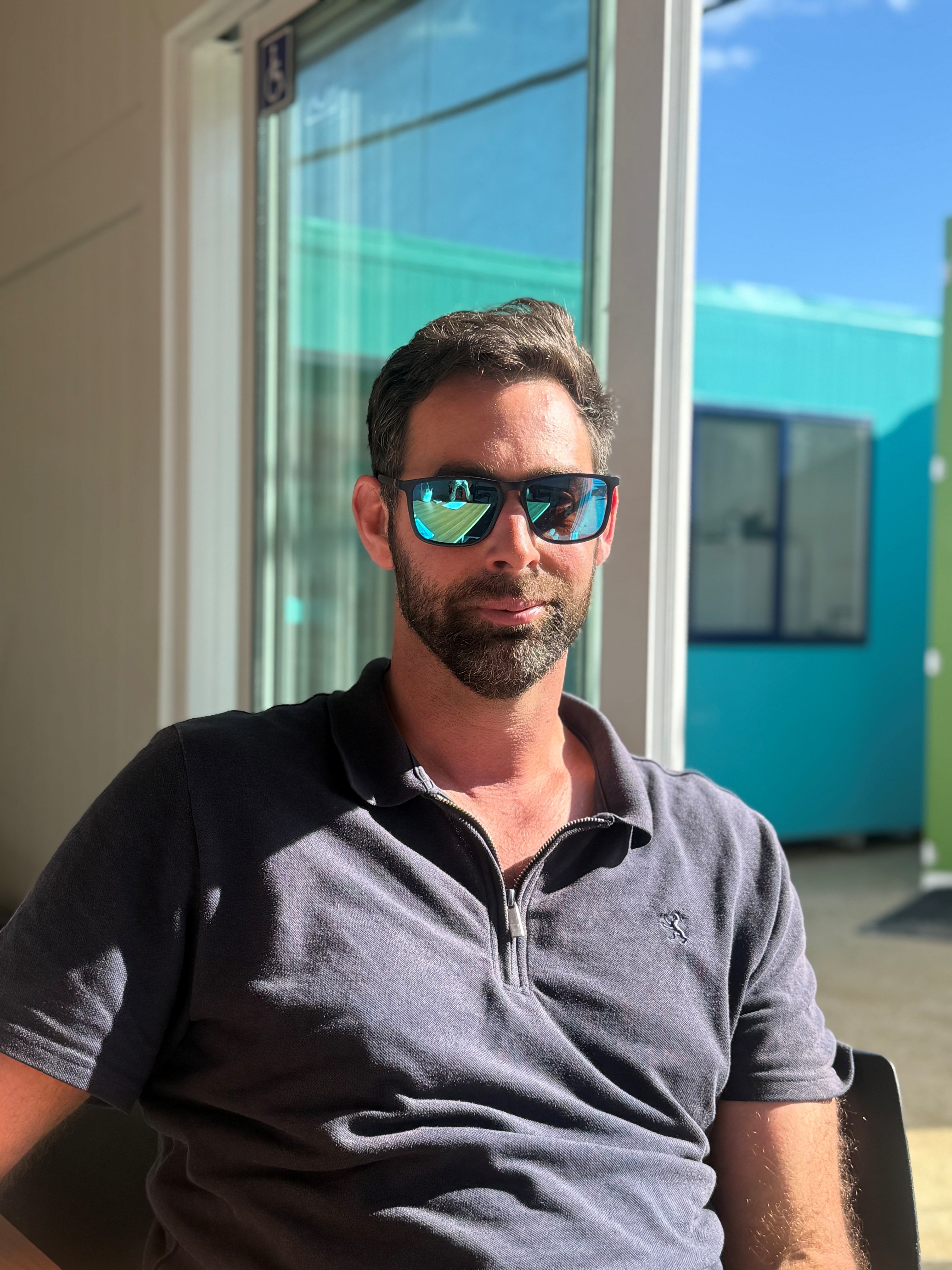
This months story is Dion Williams, Site Manager at Naylor Love Construction
He’s worked in Construction for 20 years
How did you get to where you are today, what’s your story?
I had no idea what I wanted to do when I left school. My mum pushed me into doing a trade, and although I originally wanted to be a plumber, I somehow ended up doing a carpentry pre-trade. From there, things just unfolded.
Even as an apprentice, I was given the responsibility of leading other workers, often qualified carpenters, which was definitely a bit awkward at times. But I think I was put in that position because I had a strong work ethic, the right attitude, and I always wanted to do things properly. I learned early on that it wasn’t about telling people what to do, but guiding them in the right direction.
After qualifying, I spent a couple of years as a builder before moving into full-time foreman and supervisory roles. That eventually led me to where I am now as a Site Manager.
Depending on the project, I manage anywhere from 20 people on a smaller site to up to 100 on larger ones.
It’s been a pretty organic progression, I guess because I had a good attitude and wanted to work hard and do things right is why I am where I am today.
What does a typical day in your job look like?
There is no typical day, and that is what I like about it. I mean, the routine part is getting up early, coming to work, and going home late. Apart from that, what I do changes every day. Mainly it is planning, talking to the client, talking to the architects, going through drawings, making sure we have the information we need to build, relaying that to the subbies, finding subbies, working with subbies, managing subbies, managing our own guys on site, and managing QA.
How do you think your job is perceived by others, and is it different from the reality?
I reckon quite a few people think we just sit in the office and do nothing. That is not the reality. We are across every trade on site and know a little bit about everything that is going on. We have to coordinate it all. It can be stressful, but I do not really let it stress me, although I can see how it would be stressful for some people.
Do you have any daily rituals or habits that help you succeed at work?
I make a list and try to tick off the things I can. You cannot always tick everything off, but at least you can refer back to it the next day and prioritise.
What’s the most rewarding part of your job?
The end product. Standing back and seeing a nice new building that you put together and knowing you have had a big part in it.
What’s the best piece of feedback you’ve ever received from a colleague or boss?
When I was an apprentice, I had a very good mentor. One good thing he did was hold me back a little, not rushing me to the top and making sure I actually gained the experience needed to move forward. Not just jumping into the deep end. It has probably worked in my favour. I was with that company for about ten years.
What advice would you give someone considering this trade or industry?
You need to be thick skinned and prepared for hard work. There are so many paths now in construction. It is not just swinging a hammer. There is modelling, coordination, programming, and all sorts that go into it. Many people still see it as a builder’s apron and a hammer, but it is a very fast and varied industry.
What do you think is the most important quality to succeed in your industry?
A calm head for sure. You cannot lose it every five minutes because you cannot plan everything in this industry. Things happen every day that are outside your control, and you have to see it for what it is and work through the problems calmly and collected. It is not the end of the world. I always say no one died and everything can be fixed.
What’s one skill you’ve developed that’s had the biggest impact on your career?
I have probably developed many skills, but I think I just had the right temperament and attitude from day one. That is why I have ended up where I am. I never set out to be a site manager. I have just ended up here.
What do you do to unwind after a busy week?
I try to hurt myself, basically. Throwing myself down a hill on a mountain bike, kite surfing, sailing, all sorts.
If you could swap jobs with anyone for a day, who would it be?
I could not think of doing anything else, to be honest.
Thank you to Dion for taking the time to chat with me.
Beccy
The quiet return of reliability as a hiring priority
This is highly relevant across NZ right now, especially in construction, manufacturing, logistics, and engineering.
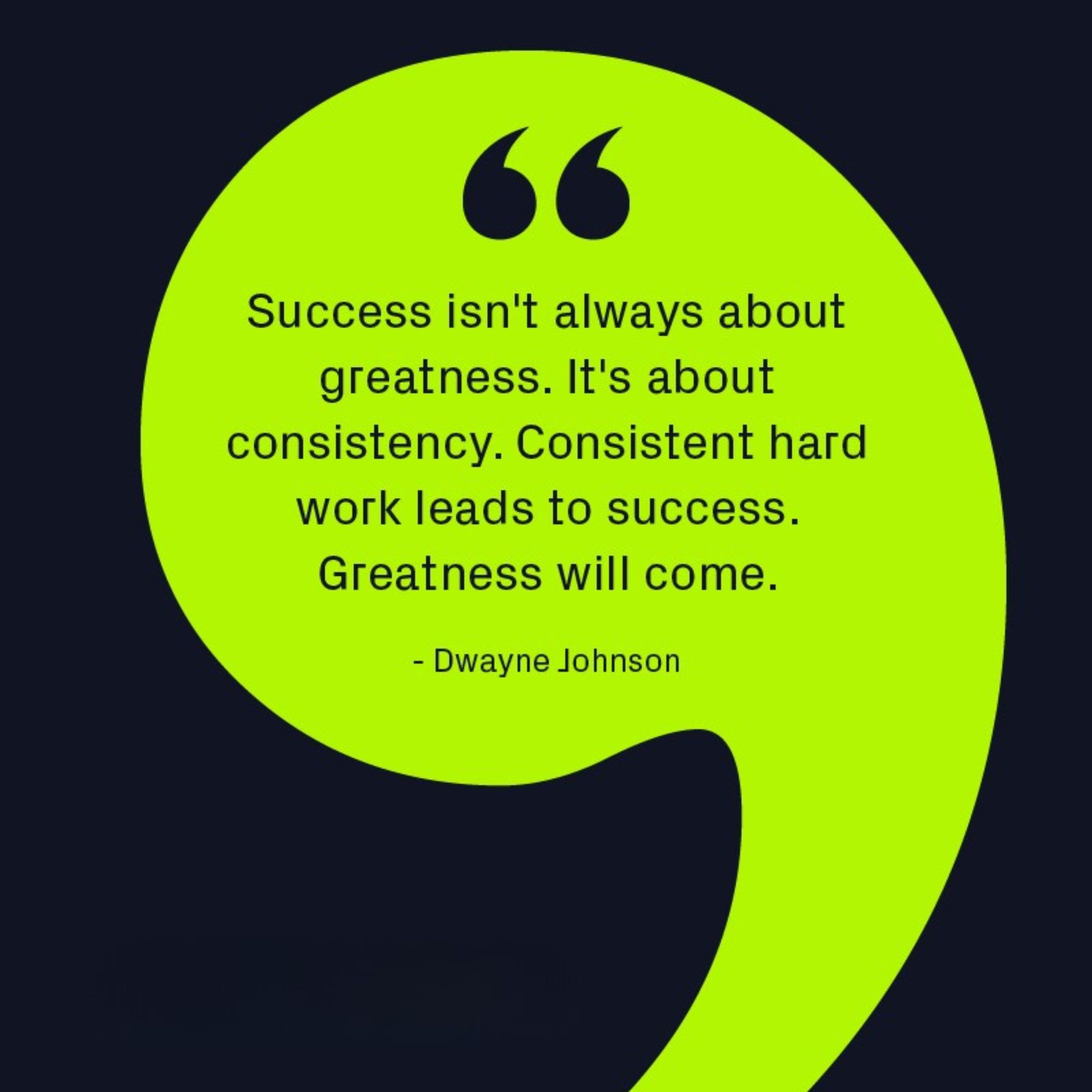
After a few years where businesses were desperately filling gaps, many employers are shifting back toward:
attendance
attitude
consistency
communication
coachability
Not just qualifications.
That conversation is happening everywhere quietly in industry at the moment.
Reliability is making a comeback
For a while there, many businesses were just trying to get people through the door.
The labour shortages following COVID changed hiring behaviour across a lot of industries. Employers had little choice but to move quickly, lower barriers, and focus on filling critical gaps.
Now things are shifting again.
Across construction, manufacturing, logistics, and engineering, we’re hearing a similar message from employers:
Reliability matters more than ever.
Not flashy CVs.
Not big talk.
Not someone interviewing well and disappearing two weeks later.
Just reliable people.
People who:
turn up consistently
communicate early when there’s a problem
take responsibility
work safely
contribute positively to the crew around them
It sounds simple, but in practice, those qualities have become incredibly valuable.
Interestingly, this shift is also opening doors for people who may not have years of experience yet.
We’re seeing more employers willing to train people on technical skills if they bring the right attitude and consistency from day one.
That’s important, especially for younger workers entering the workforce.
There’s sometimes a perception that you need the perfect background, ticket, or experience level before opportunities appear. In reality, many long-term careers still start the same way they always have:
showing up
listening
learning
staying consistent
The technical side can often be taught.
Reliability usually can’t.
For employers, this shift also changes how retention works.
Good workers notice when reliable teammates are carrying the load for others. Strong workplace culture isn’t built through posters or slogans, it’s built when teams trust each other to turn up and pull their weight consistently.
And in uncertain economic periods, trust inside a workforce becomes even more important.
There’s still strong demand across many practical industries in New Zealand. Infrastructure, manufacturing, logistics, and engineering work continue to create opportunities across the region.
But increasingly, the people standing out aren’t necessarily the loudest.
They’re the ones quietly building a reputation for being dependable.
And honestly, that’s probably how a lot of the best careers have always been built.